 Web Hosting
 Windows HostingBuilt for Windows apps and websites – stability, speed and flexibility
 Reseller HostingLaunch a hosting business without technical skills or expensive infrastructure
 Affiliate ProgramRefer customers and earn commissions from sales across our platform
 Domain SearchFind and secure a domain name in seconds with our quick lookup tool
 CO ZA Domains
 All DomainsExplore domain names from over 324 TLDs globally – all in one place
 Free Whois Lookup Tool South Africa
 VPS
VPS Website Builder
 Online ShopSet up a sleek eCommerce store with zero coding knowledge
 SSLs
SSLs SupportAccess help articles, how-tos, and everything about our services
 Blog
Blog Contact UsReach our team instantly via live chat or drop us an email
A prospective client stranded in the middle of a sudden load-shedding block out in Sandton needs immediate help. Their smartphone screen glows brightly as they search for an open solar installer or an emergency auto mechanic near them.
They do not scroll past the initial map view on their mobile device. They instantly tap the first business name showing a verified location, a direct route map, and real customer praise.
That elite placement is called the local map pack. This step-by-step guide shows exactly how to tank Top on Google maps in South Africa
Table of Contents
How Google Evaluates and Ranks Map Locations
The automated system scans the digital landscape to determine which local entities deserve the best visibility. The primary ranking system relies on three separate foundational pillars known as proximity, prominent status, and direct relevance.
Proximity calculates how close your physical storefront or target service zone is to the mobile device user. Relevant matching analyzes how accurately your business profile listings mirror the exact intent behind the typed phrase.
Prominent status measures how well-regarded your firm appears based on structural signals found across the broader web. The algorithm reads explicit signals from your Google Business Profile and your linked domain asset to calculate these factors.
Step 1: Claim and Verify Your Business Assets

To rank top on google maps, you must legally assert ownership over your public business profile map hub. Visit the official business portal to locate your operational entity or establish a new digital record.
Google requires formal verification through targeted telephone calls, brief video walk-throughs, or physical postal confirmation codes. Complete this operational step immediately because unverified business cards never appear within map results.
Ensure your legal enterprise title stands clear without stuffing artificial location keywords into the main field. Artificial naming tactics invite algorithmic penalties that can wipe out your existing visibility over a weekend.
Step 2: Perfect Your Regional Core Contact Data
Consistency across your Name, Address, and Phone number forms the backbone of structural trust. Your primary business communication details must match exactly on your website, your social hubs, and your map pins.
Use a dedicated, active local telephone line that clearly features your regional dialing code. Avoid using general national toll-free lines because they obscure your physical connection to local suburbs.
| Core Contact Variable | Optimization Rule | South African Implementation Example |
| Legal Title | Clean branding without spam | Tracker Solar Installations |
| Physical Location | Actual street address only | 45 Main Road, Bryanston, Johannesburg |
| Local Phone Line | Regional dialing code format | +27 (0)11 555 0123 |
| Operating Hours | Real-time status sync | Synchronized with backup generator availability |
If your commercial enterprise sits inside a secure office park, display the precise building number clearly. True algorithmic authority drops whenever your citations show varying address descriptions on separate directory portals.
Step 3: Choose Precise Commercial Classifications
Selecting your business categories serves as a critical signal to the mapping system. Your primary categorization must describe your core industry rather than your general service list.
A specialized enterprise choosing a generic corporate label sabotages its search positioning from day one. Look through the complete autocomplete library to pinpoint niche classifications that reflect your specific daily operations.
Incorporate accurate secondary fields to expand the variety of contextual searches your brand can match. This configuration strategy ensures you capture high-intent traffic across multiple related consumer searches.
Step 4: Map Out Your Service Territories Accurately
For enterprises delivering mobile services directly to consumers, configuring your service boundaries is paramount. Hide your residential address if you do not operate a physical retail front where walk-in buyers assemble.
Define your active delivery zones using precise municipal suburbs and metropolitan names rather than a single vast province. This helps the platform present your business card to nearby homeowners seeking immediate local assistance.
Setting overly broad boundaries dilutes your core geographical relevance score and weakens your local pack presence. Focus exclusively on areas your team can realistically reach within a normal daily driving shift.
Step 5: Craft a Location-Rich Corporate Narrative
Your primary business summary offers a valuable space to outline your operational history and technical capabilities. Use all available character slots to describe your services while naturally weaving in your primary target locations.
Write a descriptive story detailing your background, your client focus, and your regional service landmarks. To rank top on google maps, weave your exact target locations into the first two sentences of this text.
Keep the narrative focused on genuine user assistance while steering clear of repetitive marketing slogans. High-quality introductory phrasing increases profile engagement and converts simple map lookups into direct paying leads.
Step 6: Deploy the WhatsApp Interaction Route
South African consumers appreciate fast, data-efficient communication methods when choosing local service providers. Add an active web communication destination to the booking or website fields within your central dashboard.
Create a direct text hyperlink using your verified contact digits without adding spaces or complex symbols. This allows smartphone users viewing your map profile to launch a chat conversation with a single tap.
This interaction pathway helps you capture customers when traditional voice lines encounter infrastructure disruptions. Providing an immediate, interactive chat option significantly raises your total daily lead generation rates.
Step 7: Manage Operating Hours During Load Shifting
To rank top on google maps, update your trading availability weekly to reflect your true real-world operating status. The mapping algorithm prioritizes businesses that are actively open at the exact hour the consumer conducts their search.
If your facility operates a backup power supply, mention this clearly in your profile updates section. This simple step captures high-intent traffic when nearby competitors drop offline due to regional power cuts.
Regular profile updates show search engines that your corporate entity remains fully operational. Transparent operational schedules build deep consumer trust and eliminate frustrating customer experiences at your physical door.
Step 8: Build an Active Review Velocity Strategy
```html
<div style="padding:20px;border:1px solid #ddd;border-radius:12px;font-family:Arial;">
  <h2>Build an Active Review Velocity Strategy</h2>

  <p>
    Consistently generate authentic Google reviews every week to improve
    your Google Maps ranking and local trust signals.
  </p>

  <ul>
    <li>Ask customers for reviews after every successful service.</li>
    <li>Use SMS, email, or WhatsApp follow-ups.</li>
    <li>Maintain steady review growth naturally.</li>
    <li>Respond to reviews within 24–48 hours.</li>
    <li>Share your Google review link on social media and receipts.</li>
  </ul>

  <a href="YOUR_GOOGLE_REVIEW_LINK"
     target="_blank"
     style="display:inline-block;margin-top:10px;padding:10px 16px;
     background:#000;color:#fff;text-decoration:none;border-radius:8px;">
     Leave a Google Review
  </a>
</div>
```
A high volume of positive reviews forms a critical component of local search prominence. The system tracks review velocity, which measures the steady rate of incoming customer testimonials over a rolling 60-day period.
A profile with recent reviews will outrank a dormant account holding older historical ratings. Implement an internal workflow to collect user feedback within minutes of completing a successful sale.
Always secure explicit opt-in consent before sending review requests via WhatsApp or email to remain fully compliant with regional data privacy laws. Dispatch a short, direct review link immediately while the positive experience remains fresh in your client’s mind.
Reply to every submission within 48 operational hours. Write custom responses to all feedback, naturally weaving in specific service descriptions and regional neighborhood names to build extra local relevance.
Step 9: Publish Weekly On-Profile Status Updates
Treat your local map dashboard like a targeted business newsfeed by sharing short weekly announcements. Keep your entries under 150 words and include a clear, compelling call to action that points back to your website.
Share real-world project completions, seasonal pricing offers, or inventory changes directly from your smartphone. Regular posting signals to search crawlers that your enterprise actively manages its digital presence.
Avoid using text that looks like automated corporate spam. Authentic, timely updates engage your local audience and improve your profile’s overall search authority.
Step 10: Upload Authentic Mobile Photos Weekly
The automated search system actively tracks the quality and frequency of your business image uploads. Snap raw, high-quality photos of your team, your completed projects, or your storefront exterior on-site.
Add short, context-rich descriptions to your images before uploading them through your business dashboard. This approach helps search engines connect your visual assets with specific nearby search queries.
High-performing listings with fresh visual galleries receive significantly more driving direction requests. Real, unedited photos outshine generic stock imagery and build immediate consumer trust.
Step 11: Build Local Citations Across Regional Web Portals
A local citation is any online mention of your business name, address, and phone number. To rank top on google maps, build listings on prominent regional business directories like Brabys, Yellow Pages, and Hotfrog SA.
Ensure every directory profile displays your contact details exactly as they appear on your map listing. Inconsistent data across these portals can confuse search crawlers and lower your profile’s authority score.
Step 12: Optimize Your Linked Website Structure
Your main website and your local map listing operate as a unified system in Google’s ranking architecture. To support your map pack rankings, create dedicated landing pages for each city or suburb your team services.
Embed your core contact data inside the footer of every page on your website using secure LocalBusiness schema code. This advanced structured data gives search engines explicit signals about your physical location and service offerings.
Step 13: Acquire Authoritative Regional Backlinks
Earning hyperlinks from trusted, locally relevant domains signals high community authority to the search system. Sponsor local sports clubs, neighborhood associations, or community charity initiatives that maintain active web listings.
A single hyperlink from an authentic local community site carries more weight than dozens of generic international links. Focus your outreach efforts on building real partnerships with complementary businesses in your area.
Step 14: Monitor System Visibility with Geo-Grid Scanning
Standard search checks can show varying results depending on your exact physical location at that moment. Use advanced geo-grid scanning tools to track your map rankings across a multi-kilometer radius.
Analyze these visual grid maps to pinpoint adjacent neighborhoods where your local search presence drops off. Target those specific areas with localized website content and geo-tagged project updates to expand your reach.
Step 15: Secure Your Profile Against Fraudulent Edits
Public users can suggest changes to your business hours, title, or phone number on Google Maps. Competitors may occasionally use this public feature to manipulate your listing data or mark you as closed.
Enable push notifications on your phone and review email alerts regarding suggested data changes immediately. Check your administrative dashboard twice a week to reject any unapproved, crowd-sourced edits.
Keeping tight control over your profile data prevents sudden ranking drops. It also protects your inbound customer lead pipeline from malicious disruption.
Why Local Map Optimization Changes Your Business Growth
Securing a high map ranking changes the volume of daily inquiries arriving through your digital storefront. High positions generate continuous direction inquiries, phone interactions, and organic website traffic without relying on costly paid advertisements.
South African consumers routinely face financial pressure and unpredictability. They prefer verifying local companies through reliable visual maps before driving out to spend hard-earned rands.
Appearing at the peak gives your brand immediate community authority. It positions your team as the primary local solution within your target municipal area.
Measuring Success Through Real Revenue Metrics
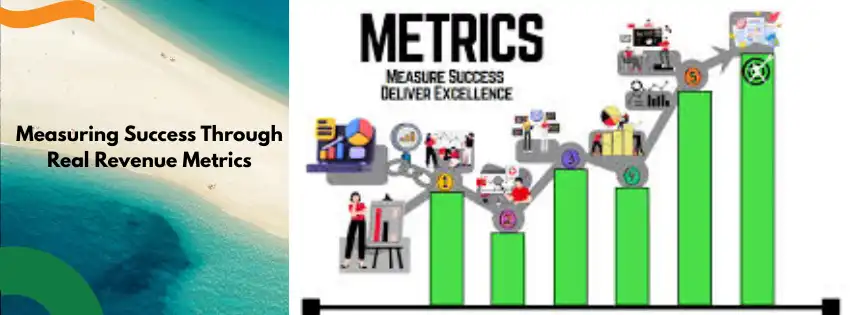
Do not rely on vanity tracking metrics like total raw search impressions to gauge your marketing performance. Focus on high-intent customer actions that map directly to real business growth.
Track direct phone calls, driving direction requests, and organic link clicks monthly inside your business profile analytics panel. Steady growth in these interaction metrics confirms your optimization strategy is successfully driving revenue.
Your Continuous Optimization Playbook
To rank top on google maps, remember that local search optimization requires consistent, ongoing management. The algorithm rewards active business profiles that continuously engage with their local market.
| Frequency | Required Optimization Tasks | Expected Algorithmic Outcome |
| Weekly | Update trading hours and post one update | High signal activity score |
| Bi-Weekly | Upload two fresh mobile project photos | Improved visual search authority |
| Monthly | Audit citation listings and request reviews | Increased local prominence |
| Quarterly | Refresh localized website landing pages | Extended geographic ranking radius |
Commit to executing these straightforward steps with disciplined consistency each month. Over time, your business profile will claim and hold a top position on the local map pack.