 Web Hosting
 Windows HostingBuilt for Windows apps and websites – stability, speed and flexibility
 Reseller HostingLaunch a hosting business without technical skills or expensive infrastructure
 Affiliate ProgramRefer customers and earn commissions from sales across our platform
 Domain SearchFind and secure a domain name in seconds with our quick lookup tool
 CO ZA Domains
 All DomainsExplore domain names from over 324 TLDs globally – all in one place
 Free Whois Lookup Tool South Africa
 VPS
VPS Website Builder
 Online ShopSet up a sleek eCommerce store with zero coding knowledge
 SSLs
SSLs SupportAccess help articles, how-tos, and everything about our services
 Blog
Blog Contact UsReach our team instantly via live chat or drop us an email
You just registered a domain, and you’re not ready to build the site yet.
Left alone with no plan, that domain sits blank and looks unused. It drifts toward its renewal date while nobody checks on it.
Worse, a lookalike site can copy your name while you wait. Parking the domain the right way closes that gap for free.
A parked domain is a name that’s registered but not pointed to a live website yet.
Instead of a full site, visitors see a placeholder page. That page might be blank, might say “coming soon,” or might carry ads.
- A parked domain is a DNS-level state, not a hosting product on its own
- No server space, files, or email inbox comes bundled with basic parking
- Most South African registrars park a domain automatically the moment you register it
- The service usually costs nothing extra, since it’s bundled with the registration itself
- A parked page can be swapped for a live site the moment you’re ready
This guide walks through exactly when that move helps, and when it doesn’t.
Table of Contents
Domain Parking vs Web Hosting vs URL Redirects
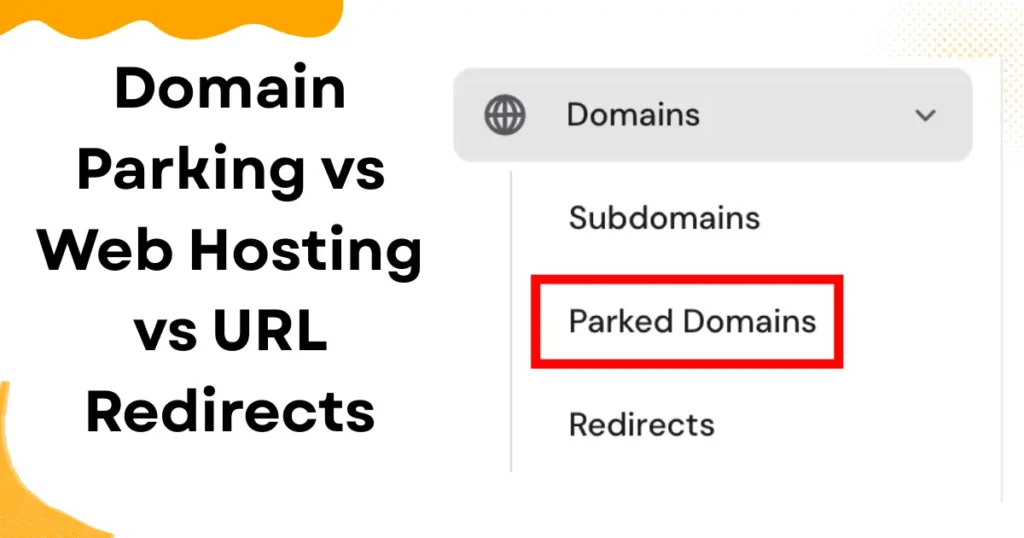
These three terms get mixed up often, but each one does a different job.
- Parking holds a domain in reserve with a placeholder page and no live content.
- Hosting stores your actual website files, so the domain shows real pages when visited.
- A redirect sends visitors from one domain straight to another, usually your main site
- Redirects work best once your primary site is live and you own extra name variants
- Parking works best before that stage, while you’re still deciding what to build.
A common mix-up trips people up here. Parking gives you DNS control and a placeholder, not a mailbox or a website.
If your business card lists an email address on that domain, you’ll need hosting or a separate mail plan first.
When to Park a Domain in South Africa (and When Not To)
Parking suits some situations well and fits others poorly. A short scenario check helps clear this up.
- New business owners who bought a name early but aren’t ready to launch a site
- Companies holding misspellings or alternate extensions like .co.za, .africa, or .online for brand protection
- Marketers who registered a campaign or seasonal domain ahead of the actual launch date
- Anyone who already pays for hosting, since parking adds nothing once a site is live
- Any domain meant to rank in search results now, since parked pages carry no real content.
A domain parked well past its intended launch starts to look abandoned. Visitors notice, and so do search engines, over time.
Set a rough date to revisit the domain, so it doesn’t sit forgotten for years.
Is Domain Parking Free in South Africa? What It Actually Costs
Most South African registrars bundle parking free with every domain registration or transfer. That’s true across the local hosts and registrars checked for this guide.
- DNS management and a basic placeholder page are usually included at no charge
- A redirect server is typically part of the free package as well
- Premium placeholder templates or custom “coming soon” designs can carry an added fee
- Ad-monetized parking through a third-party service may involve a separate sign-up and terms
- The annual domain renewal fee still applies, whether the domain is parked or fully live
Free parking covers the placeholder and DNS side of things. It does not cover the renewal cost of holding the name year after year.
How to Park a .co.za or Other South African Domain
The process stays simple across most local registrars, though menu names vary slightly.
1) Log In to Your Registrar’s Control Panel and Find the DNS or Parking Settings.
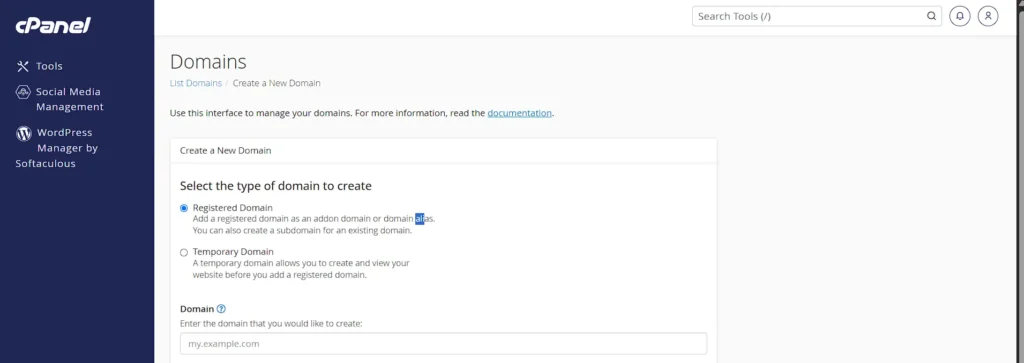
Most South African registrars list this under a “Manage Domain” or “DNS Zone” tab. Look for a label that says “Parking,” “Redirect,” or “Default Page.”
If the option isn’t visible right away, check the support articles for your specific registrar, since naming differs between providers.
2) Pick a Placeholder Type: Blank Page, “Coming Soon” Message, or Ad-Supported Page.
A blank page suits a name held purely for brand protection, with nothing meant to draw visitors.
A “coming soon” message works better for a business about to launch, since it tells visitors a real site is on the way.
An ad-supported page can generate small revenue, but weigh that against how it looks to a first-time visitor.
3) Save the Setting and Confirm the Domain Shows the Placeholder When You Visit It.
DNS changes can take a short while to spread across the internet, so give it some time before checking.
Open the domain in a fresh browser tab or a private window, since a cached page can hide a change that already worked.
If nothing loads after a few hours, double-check the DNS records match what your registrar’s guide recommends.
4) Set a Personal Reminder for a Review Date, so the Domain Doesn’t Sit Forgotten.
Pick a date tied to your actual launch plan rather than a random future month.
A calendar app or a task manager works better than a mental note, since parked domains rarely surface on their own.
Tie the reminder to your renewal date too, so both checks happen at once.
5) for Brand Protection, Repeat the Same Steps Across Every Relevant Tld and Misspelling at Once.
List every variant worth holding first, including alternate extensions like .co.za, .africa, and .online, plus common misspellings of your main name.
Park each one in a single sitting rather than spreading the task across separate visits.
A short spreadsheet tracking each domain, its extension, and its renewal date keeps the full set manageable over time.
Handling every variant in one sitting saves a second trip back to the dashboard later.
Can You Make Money From a Parked Domain?
Ad-supported parking pages generate revenue by showing ads tied to keywords in the domain name.
- Payouts depend heavily on type-in traffic, meaning people typing the domain straight into a browser.
- Fresh domains with no history usually pull very little traffic and small ad revenue.
- Expired domains caught soon after they lapse tend to carry stronger existing traffic.
- Ad-heavy parking pages can look like spam to visitors browsing on mobile or desktop.
- A spammy-looking placeholder works against brand protection goals, so weigh that trade-off carefully.
For a brand-new South African business, monetized parking rarely pays enough to matter. It fits better as a side detail than a real income plan.
Domain Renewal, Redemption, and What Happens If You Don’t Renew
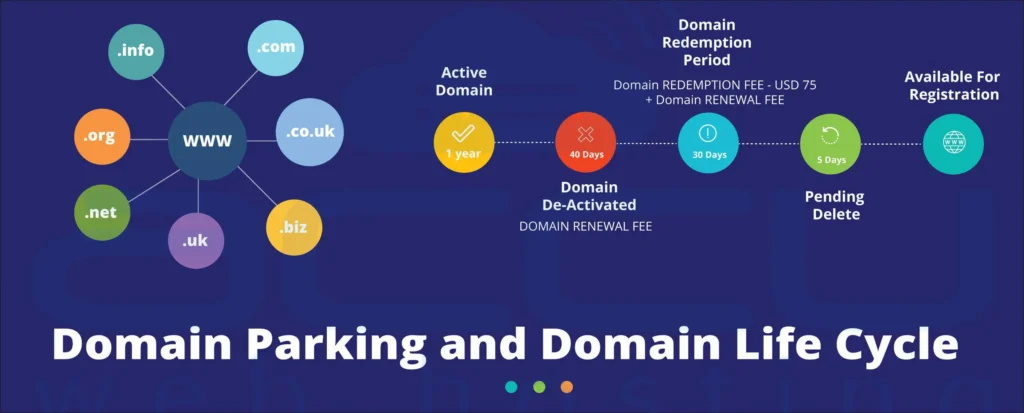
Every domain follows a set life cycle, and parking doesn’t pause any part of it.
- The domain stays active as long as renewal payments keep coming through on time.
- Once it lapses, most South African registrars suspend it and offer a grace period.
- That redemption period typically runs around 30 days before the domain queues for deletion.
- After deletion, the name becomes available for anyone else to register right away.
- Parked domains are the ones people forget about most, since no live site flags the issue.
A renewal reminder set on your calendar, not just your email, catches this before it becomes a problem.
Frequently Asked Questions
Do you need hosting to park a domain?
No. Parking only needs a registrar account and DNS access. Hosting only becomes necessary once you’re ready to publish real pages, store files, or email through the domain.
Can a parked domain hurt your SEO?
A parked page carries no meaningful content so that it won’t rank well on its own. It also won’t damage a separate, unrelated site you already run. The risk shows up if you leave a domain meant for a real launch sitting parked too long, since it never builds any search visibility.
How long can you park a domain before it expires?
There’s no fixed limit on parking itself. A domain can stay parked for years, as long as the renewal fee gets paid on time each cycle. The clock that matters is the renewal date, not the parked status.
Is it worth buying multiple domains to park them?
For brand protection, often yes. Holding common misspellings and alternate extensions like .co.za or .africa keeps them out of a competitor’s hands or a scammer’s. For a name with no real tie to your brand, the renewal cost usually outweighs the benefit.
Can you sell a parked domain later?
Yes. A parked domain can sit unused for years and still get sold or transferred once a buyer shows interest. Many owners register a name early, park it, and treat resale as a possible future option rather than the main goal.
What’s the difference between a CIPC-issued domain and a regular parked domain?
A domain issued through the CIPC business registration portal is essentially parked from the start, with no hosting or full DNS control attached. To make it fully functional, you still need to transfer it to an accredited registrar first.
What happens if someone disputes your parked domain in South Africa?
ZADNA regulates .za domain names, and disputes often overlap with trademark law when a name matches an existing brand. A parked page with no real content can still draw a dispute if it copies a trademark someone else already holds.
Park Your Domain With a Plan, Not by Accident
Parking buys time. It never replaces an actual decision about what a domain is for.
A name held for brand protection, a future launch, or a seasonal campaign all deserve a plan attached, not just a placeholder page left running indefinitely.
Before your next domain purchase goes live, check your registrar’s dashboard for a free parking option.
Set a calendar reminder for when you actually plan to build on it. That one step keeps a useful domain from turning into the one you forgot you owned.