 Web Hosting
 Windows HostingBuilt for Windows apps and websites – stability, speed and flexibility
 Reseller HostingLaunch a hosting business without technical skills or expensive infrastructure
 Affiliate ProgramRefer customers and earn commissions from sales across our platform
 Domain SearchFind and secure a domain name in seconds with our quick lookup tool
 CO ZA Domains
 All DomainsExplore domain names from over 324 TLDs globally – all in one place
 Free Whois Lookup Tool South Africa
 VPS
VPS Website Builder
 Online ShopSet up a sleek eCommerce store with zero coding knowledge
 SSLs
SSLs SupportAccess help articles, how-tos, and everything about our services
 Blog
Blog Contact UsReach our team instantly via live chat or drop us an email
Petrol is up again. The grocery bill keeps climbing. The electricity tariff hike notice arrived last week, and somehow the month still has ten days left before pay day.
A second income isn’t a luxury anymore for most South Africans, it’s quietly becoming a necessity. The problem is that most “side hustle” advice online assumes you have startup capital sitting around, a fast laptop, and hours of free time every evening.
The reality looks a little different when you’re already tired from a full week at work. What you need are side hustle ideas in South Africa that are genuinely affordable, genuinely doable, and genuinely able to grow into something real over time.
This guide covers five of them. Each one can be started from home this weekend, and none of them require a degree, a loan, or more than a few hundred Rand to kick off.
Table of Contents
The 5 Side Hustles Worth Starting Right Now
Idea 1: Local E-Commerce and Micro-Reselling
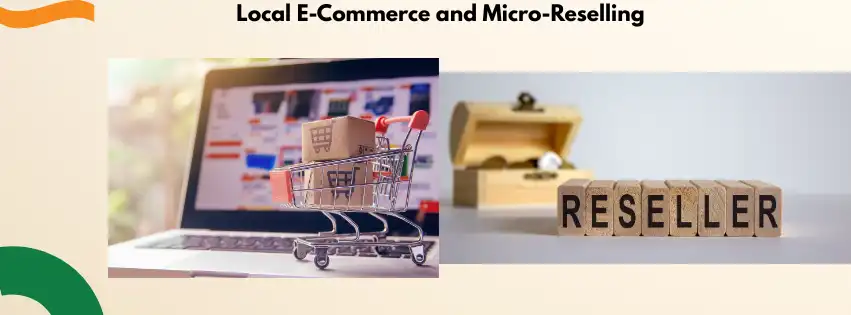
This is one of the most accessible ways to make money online sa residents have discovered in recent years, because it works with skills most people already have without realising it.
The concept is straightforward. You find products that sell well locally, buy them at wholesale or supplier prices, and resell them at a markup to customers across the country. You don’t need a physical shop, a warehouse, or a delivery van of your own.
What makes this easier than it sounds is that South Africa now has affordable courier networks that handle the delivery side for you. Services like Pudo locker-to-locker and The Courier Guy let you ship a parcel from Pietermaritzburg to Richards Bay for a fraction of what it cost five years ago, often for less than R100 per package.
The products that tend to work best for micro-resellers are things with a clear, local audience and a product gap that big online stores haven’t filled properly. Custom phone covers printed with Zulu beadwork patterns, handmade leather keyrings, locally sourced biltong gift sets, and personalised candles have all become strong sellers for individual resellers running their operations from a spare bedroom.
What you need to start: A supplier contact or a few products you can source locally, a simple product listing on Facebook Marketplace or Takealot, and a courier account. Budget: under R500 for your first test batch.
Idea 2: Freelance Digital Services
If you spend your working week writing reports, managing spreadsheets, handling customer calls, or keeping someone else’s calendar organised, you already have skills that small businesses across the country are willing to pay for.
The switch is simply packaging those skills as a service you sell on your own terms. Copywriters charge between R150 and R500 per piece of content. Virtual assistants earn between R100 and R250 per hour, depending on the tasks they handle. Bookkeepers working remotely often charge a flat monthly retainer per client, which creates predictable income even when they’re not actively working.
A teacher in Tzaneen started offering curriculum-aligned study guide writing to private tutors on weekends. Within three months she had four regular clients paying her a combined R4,500 a month for content she was essentially already creating for her own classroom.
What you need to start: A clear description of what you offer and what you charge, a profile on a local freelance platform like Pnet or an international one like Upwork, and a professional email address. Budget: close to zero.
Idea 3: A Niche Blog or Review Website
This one takes longer to pay off than the others, but it builds into something genuinely passive over time. A blog earns money through display advertising, affiliate links, and sponsored content, which means it can generate income while you’re doing something else entirely.
The trick that most beginners miss is picking a topic narrow enough to stand out. “SA travel” is too broad and too competitive. “Weekend road trips from Witbank for families with young kids” is specific enough to build a loyal, regular readership and rank on Google without competing with enormous travel brands.
Other niche angles that work well for South African audiences include local personal finance (budgeting on a government grant, managing debt without a financial advisor), traditional food recipes with modern twists, honest reviews of SA streaming service content, and parenting advice that actually reflects the local school system and cost of living.
You’ll need web hosting to run a blog properly, since a free Blogger or WordPress.com account puts limits on how you earn from the site. A starter hosting plan at R35 a month gives you a professional foundation that supports ads, affiliate links, and your own branded domain from day one.
What you need to start: A clear niche topic, a domain name and basic hosting, and a consistent publishing schedule of at least two posts a week while you’re building. Budget: from R89 for a .co.za domain and R35 a month for hosting.
Idea 4: Selling Digital Products
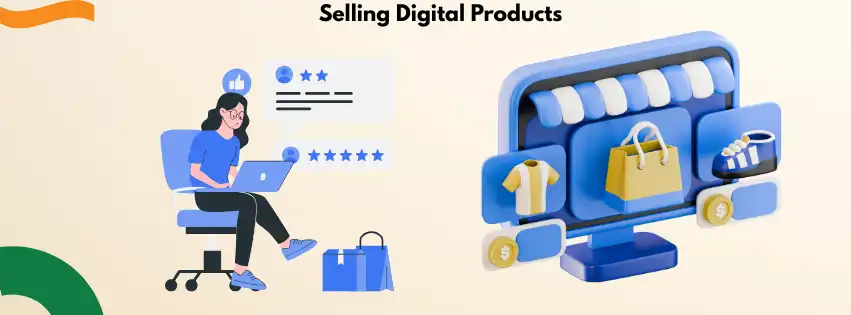
This one has a unique advantage over physical reselling: you create the product once, and you sell it an unlimited number of times without touching stock, packaging, or courier tracking numbers ever again.
Digital products that are selling well in the South African market right now include Canva social media post templates for small businesses, professional CV layouts designed for the SA job market, printable budget planners in Rand, and study notes and exam revision packs for Grade 10 to 12 learners.
A graphic design student in Sandton built a small Etsy shop selling Canva Instagram reel covers targeted at South African small businesses. She priced each pack at R89 and sold forty packs in her first month without spending a cent on advertising. The product had taken her one Saturday afternoon to put together.
The key is solving a specific, real problem for a specific, real group of people. Generic templates compete with every other designer on the platform. A Canva template pack designed specifically for Cape Malay food businesses, or for lobola ceremony photographers, or for township spaza shop owners who want to look professional on Instagram, sells because nothing else exactly like it exists yet.
What you need to start: A free Canva account, a clear product idea, and a shop on Etsy, Gumroad, or Payhip. Budget: near zero to start.
Idea 5: A Micro-Agency for Local Neighbourhood Businesses
Look around your own area. There’s a car wash that’s been in the same spot for fifteen years with zero online presence. There’s a hair salon with a handwritten sign in the window and no Google Business listing. There’s a plumber who gets all his work from word of mouth and would love a single webpage he could point customers to.
These business owners know they need an online presence, but they don’t know where to start and they don’t have time to figure it out. That gap is a real business opportunity.
A micro-agency solves this by offering a simple, affordable package to local businesses: a Google Business profile setup, a basic one-page website, and a branded email address. You charge a once-off setup fee of R1,500 to R3,000 depending on the scope, then a small monthly maintenance retainer of R300 to R600 to keep things updated.
A young entrepreneur in Emalahleni started offering this service to businesses on his street during a single weekend. By month three he had six paying clients and was turning over more each month from his micro-agency than from his day job.
You don’t need to be a developer to do this. A one-page website built on WordPress with a free theme takes a few hours to put together once you’ve done it twice. The service you’re really selling is your time and the confidence to get started, which most small business owners are willing to pay for because they simply don’t have either.
What you need to start: A basic portfolio of one or two sample sites (build them for free for a friend or a local charity first), a simple price list, and the ability to knock on a door and introduce yourself. Budget: under R200 for a sample domain and hosting to show clients.
Why a Social Media Page Alone Won’t Protect Your Business
Most new side hustles start on WhatsApp Business or a Facebook page, which is fine for the first few weeks. The problem reveals itself later.
Social platforms change their rules without warning. They flag accounts, limit reach, or go offline temporarily at the worst possible moment. When that happens to your only business channel, your entire side hustle disappears with it.
Owning a web address changes that completely. Your .co.za domain belongs to you legally, not to a platform’s terms of service. Even if Facebook disappears tomorrow, your website stays exactly where it is.
Why the Cost Is No Longer an Excuse
The biggest reason people delay getting a proper online home for their side hustle is the belief that a professional website costs thousands of Rand every month. That was true a decade ago, but it’s simply not true anymore.
Truehost’s Starter hosting plan runs at R35 a month, or slightly less on a longer billing cycle. For that, you get 30 GB of storage, unlimited business email accounts that use your own domain, and a free .co.za domain when you sign up on an annual plan.
That’s less than the price of one takeaway coffee per week. The side hustle you’ve been sitting on for six months could have its own professional web address and a business inbox by tonight.
The One Thing That Separates Dreamers From Doers
Every successful side hustler in South Africa started without the perfect plan, the perfect product, or the perfect timing. The difference between the person who earns extra income this year and the person who’s still thinking about it next December is simply starting.
Pick the idea from this list that fits your skills and your weekend. Spend Saturday on your setup. Spend Sunday on your first piece of content or your first outreach message.
And before you do any of that, run your side hustle name through the Truehost domain search right now to see if the address is still free. It takes thirty seconds and costs nothing to check, but waiting another week might mean someone else registers it first.